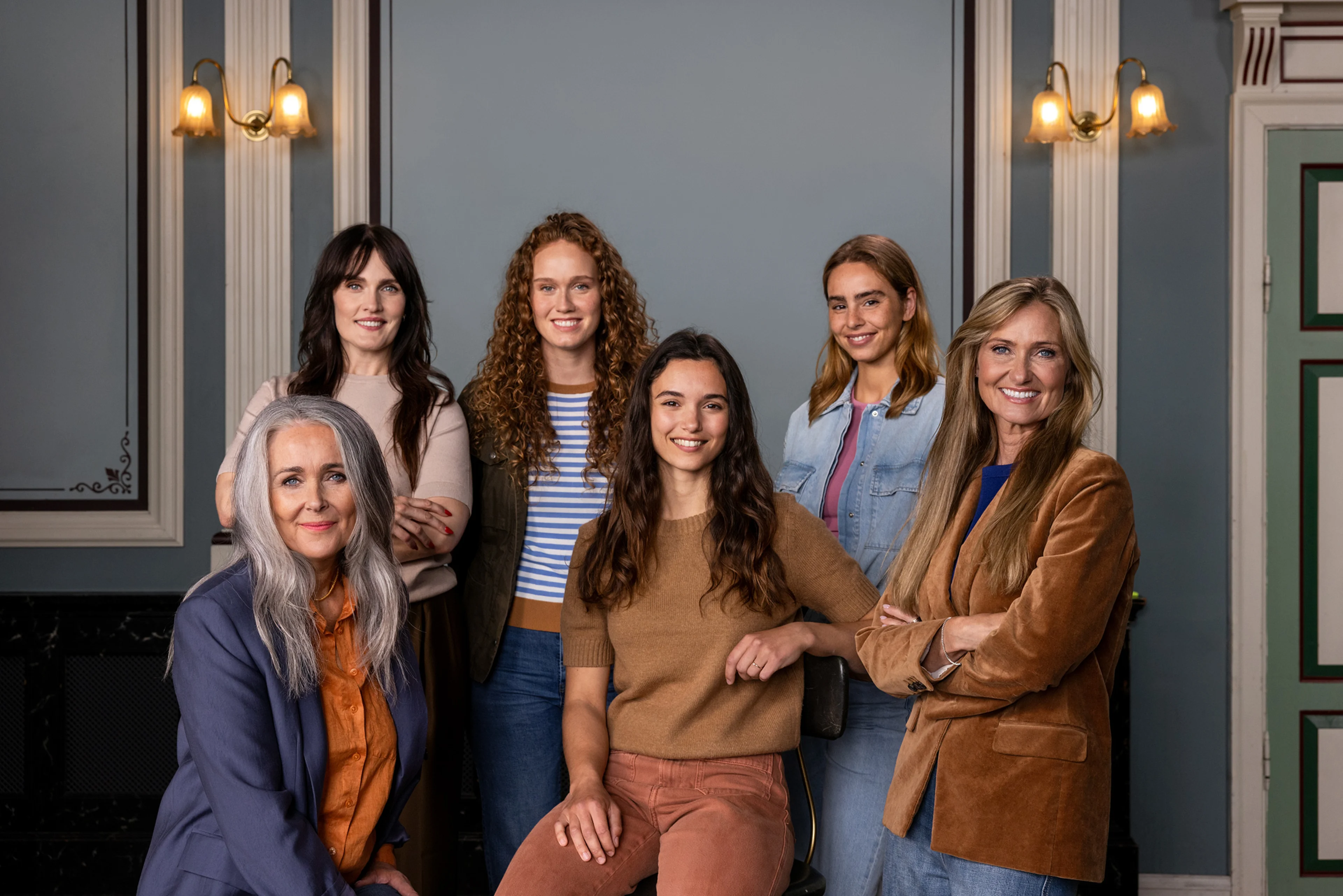
Cybercrime - a criminal wave targeting people of all ages
Online fraud has become one of the most extensive criminal activities in the world alongside drug and weapons trafficking. More and more people are falling into carefully planned traps online and in many cases losing substantial amounts of money. Cybercriminals are not solitary computer nerds in basements; they have formed well-organized international criminal organizations that collectively turn over billions annually. They show up to 9-5 jobs, wear suits, create financial plans, and conduct performance measurements—just like employees in traditional companies. We're not dealing with amateurs here, but dedicated professionals in their "field."
At Arion, we want to do everything in our power to combat this rising wave of cybercrime. To this end, we have launched an ambitious educational campaign where we speak to Icelanders of all ages. Some incorrectly believe that it's mostly older people who fall victim to cybercriminals—but that's not true at all. The age distribution among victims is very even. Any of us can fall for the tricks of cybercriminals, especially since they are often incredibly sophisticated, and their fake messages and websites are becoming increasingly convincing.
True Fraud Cases with Sigursteinn Másson
In True Fraud Cases, a new mini-series and part of Arion's educational campaign about cybercrime, Sigursteinn Másson talks to people who have experienced online fraud and shares their experiences in an open manner. The goal of True Fraud Cases is primarily to highlight the fact that anyone can fall victim to online fraud and to encourage people to be vigilant about different fraud methods and learn how to avoid them. We wanted this content to reach as many people as possible—as it's urgently relevant to the entire nation—so we wanted someone who knows how to tell stories. We couldn't have been luckier with our collaborator; Sigursteinn Másson knows how to bring out the human element in complex issues. Seeing is believing—we simply encourage you to watch the episodes. Each episode is only three minutes long.
We Need to Open Up Further Discussion About Cybercrime
We must face the reality that cybercrime is no longer something that "happens elsewhere" or "happens to others"—this is a reality that affects us all. We want to change society's view of online fraud. This is not some vague and technical issue but a real crime wave that targets the general public, just as if a group of burglars were roaming entire neighborhoods at night breaking into one house after another.
What Can Be Done?
The key rule is simple: Take your time. Don't make hasty decisions or give in to pressure to quickly perform actions on your phone or computer. Never give out PIN numbers. Don't share sensitive personal information such as credit card numbers without first making sure the recipient is legitimate and not sailing under a false flag.
We also need to be able to discuss these crimes without feeling ashamed of falling victim to them. With the participation of individuals like Friðrik Ómar and Hafdís Rúnarsdóttir, who have shown great courage by stepping forward and sharing their experiences, we hope to break down the shame and open up further discussion about cybercrime in society.
We want to do everything in our power to prevent all kinds of online fraud and encourage all of you to stay alert and exercise caution both on your phone and computer.
Let's guard against online fraud together.
Share article: